


Understanding the Importance of Casino Architecture
The design of a casino is not merely about aesthetics; it plays a crucial role in shaping the overall player experience. From the moment a visitor steps inside, the architecture, layout, and decor contribute to the ambiance, influencing emotions and behaviors. Well-designed spaces can create a sense of excitement and thrill, drawing players in and encouraging them to explore further, especially when they come across offers like 1win that enhance their engagement. Conversely, poorly thought-out designs can lead to confusion and frustration, driving potential patrons away.
For instance, using open layouts allows for unobstructed views of gaming areas, making it easier for guests to navigate. High ceilings and ample lighting can evoke feelings of grandeur and optimism, while thematic decor can transport players into different worlds, enhancing immersion. Consider a casino designed with a vibrant color palette and engaging artwork; it sets the mood for fun and excitement, encouraging players to spend more time and money.
Moreover, the emotional response elicited from an effective design can influence the duration of play. A space that feels welcoming and stimulating can encourage longer visits, as players are more likely to feel relaxed and engaged. By analyzing how various design elements interact, casinos can tailor experiences that resonate with diverse audiences, creating environments that are genuinely enjoyable and memorable.
The Role of Lighting and Sound in Enhancing Experience
Lighting and sound are vital components of casino design that work in tandem to enhance the overall experience. Strategically placed lighting can highlight key areas, such as slot machines or gaming tables, while softer, ambient lighting can provide a comfortable atmosphere. This contrast creates focal points that attract players and guide them through the casino. For example, bright, flashing lights can evoke a sense of excitement around a jackpot, while subdued lighting in relaxation areas invites players to unwind.
Sound design is equally important, as the auditory experience can enhance or detract from a player’s enjoyment. The rhythmic sounds of spinning reels, the cheers from table games, and background music work together to create an immersive environment. Specific soundscapes can evoke different emotions; for instance, upbeat music can energize players, while a more subdued ambiance may promote calm and reflective gameplay. The careful orchestration of these elements creates a multisensory experience that impacts how players feel about their time spent in the casino.

A successful combination of lighting and sound can also encourage social interaction among players. For instance, lively areas with upbeat music and bright lights naturally draw groups together, fostering a sense of community and shared excitement. This social aspect can be pivotal in player retention, as individuals are more likely to return to an environment where they feel connected to others. By understanding and implementing effective lighting and sound strategies, casinos can enhance the player experience, ultimately leading to increased satisfaction and loyalty.
Space Layout and Flow: Crafting Player Journey
The layout of a casino significantly influences the way players navigate through the space. A well-planned design facilitates smooth movement and encourages exploration, ensuring that players can easily find their preferred games or amenities. Clear pathways and intuitive layouts reduce frustration, while strategically positioned attractions can enhance engagement. For example, placing popular games at focal points can draw players in, while providing easy access to restaurants or lounges encourages breaks and socialization.
Beyond mere navigation, the flow of a casino affects player decision-making. A design that creates a seamless experience guides players from one activity to another, enhancing their time spent within the establishment. By integrating social spaces and gaming areas, casinos can create a dynamic environment that fosters interaction and encourages longer visits. Successful casinos often employ a circular layout, encouraging players to gravitate towards different zones without feeling trapped or overwhelmed.
Moreover, understanding how players interact with various elements can further improve the design. For instance, observing traffic patterns can help identify bottlenecks in high-traffic areas, allowing for modifications to enhance flow. Regular updates to layout based on player feedback can also ensure that the space remains engaging and relevant. By focusing on the intricacies of space layout and flow, casinos can optimize player journeys and ultimately enhance their overall experience.
The Psychological Effects of Design and Atmosphere
Casino design is heavily influenced by psychological principles that impact how players perceive their environment. Elements such as color, texture, and spatial arrangement can evoke emotional responses that enhance the gaming experience. For example, warm colors like reds and yellows can create feelings of excitement and urgency, while cooler colors tend to evoke calm and relaxation. By understanding these psychological effects, casinos can tailor their designs to elicit desired emotions from players.
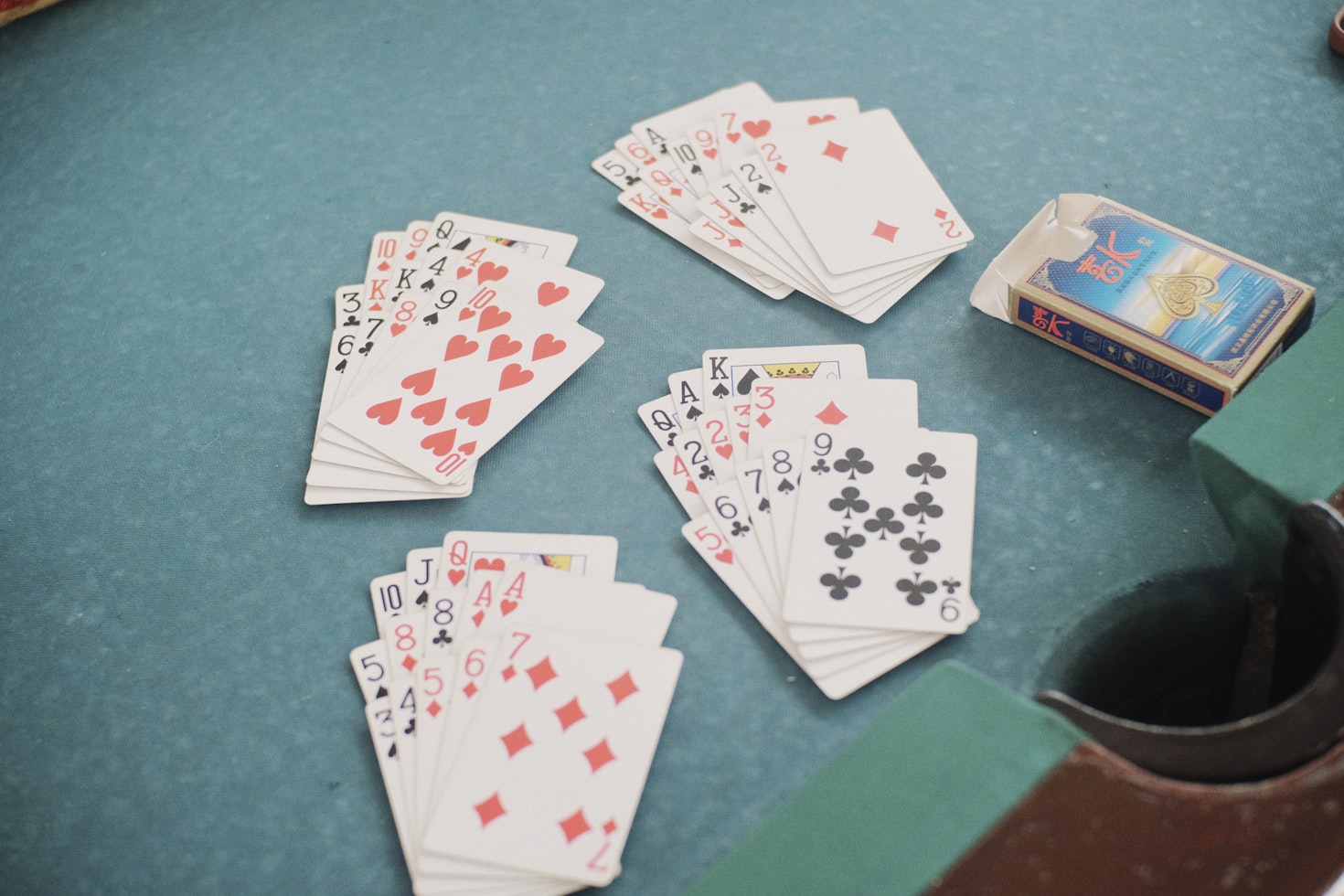
Moreover, the overall atmosphere created by the design can influence player behavior. A casino that integrates elements of luxury and exclusivity may attract a different clientele than one that emphasizes fun and levity. The establishment’s branding and design must align to create a cohesive experience that resonates with its target audience. For example, high-end casinos often incorporate luxurious materials and elegant designs that promote a sense of prestige and exclusivity.
Additionally, the perceived comfort of a space can influence how long players choose to stay. Design elements that promote relaxation, such as comfortable seating and inviting lounges, can contribute to longer play sessions. Conversely, overcrowded or poorly designed areas might lead to discomfort and a swift exit. By tapping into psychological factors, casinos can create environments that not only attract players but also encourage them to linger and enjoy their experience.
Exploring Innovative Casino Designs on the Web
As the casino industry continues to evolve, many establishments are turning to innovative designs that enhance player experiences. Online platforms are increasingly showcasing how design elements can translate to virtual environments. This shift allows for a broader reach, introducing new audiences to the gaming experience while maintaining the dynamic aspects of casino design. Websites dedicated to casino experiences often highlight these trends and showcase how design influences player engagement.
Online resources provide insights into the architectural trends shaping modern casinos. They explore unique themes and concepts that aim to create immersive environments, often highlighting the importance of user experience in digital formats. Many online platforms offer detailed analyses of casino layouts, lighting choices, and decor elements, providing valuable information for both industry professionals and enthusiasts. This emphasizes the need for continuous innovation in design to cater to changing player expectations.
By examining these innovative designs online, players can gain a deeper appreciation for the thought and strategy that goes into creating memorable experiences. Websites serve as platforms for discussing how casinos push the boundaries of traditional design, encouraging new approaches to enhance player satisfaction. As the industry moves forward, the integration of cutting-edge design principles into both physical and digital casinos will continue to shape the future of player experiences.
