
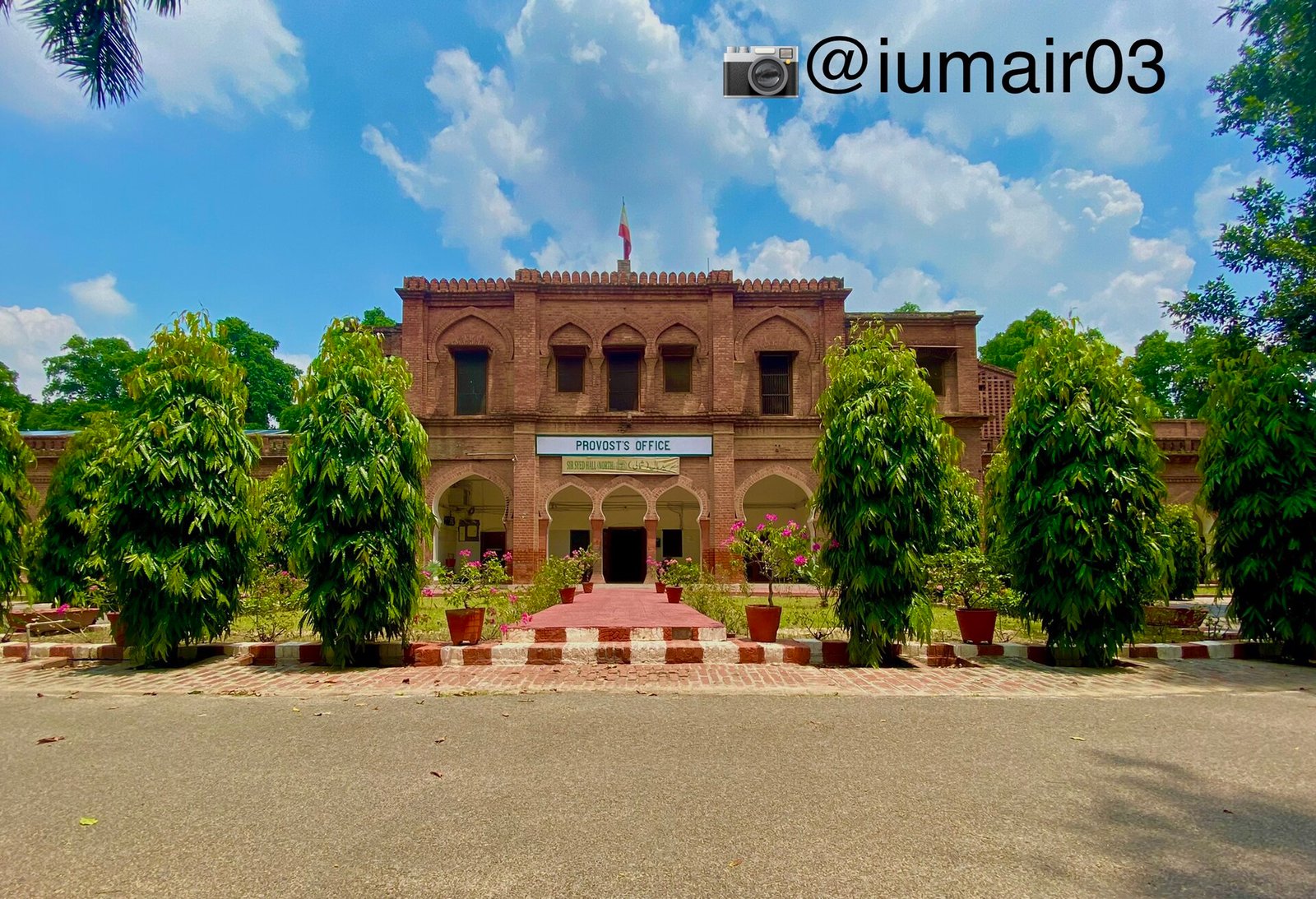
At AMU, students are normally attached to a Hall of Residence at the time of admission. Each hall is a group of hostels run by a Provost with wardens, and the university has 19 halls, 13 for men and 6 for women. Hostel rooms are not guaranteed, and local students are attached to non-resident units instead.
How the hall system works
The hall is the basic unit of student life at Aligarh. AMU’s Guide to Admissions 2026-27 describes a hall as a cluster of hostels administered by a Provost. Every enrolled student belongs to a hall or a non-resident unit, whether or not they live on campus.
The system dates back to the residential model of the Muhammadan Anglo-Oriental College. Sir Syed Hall is the oldest, and the heritage Strachey Hall stands within its premises. Most halls are named after people linked to the Aligarh Movement and the university.
 Also readAMU First Year Survival Guide: Campus Places, Clubs and Tips
Halls of residence at AMU
| Men’s halls | Women’s halls |
|---|---|
| Aftab Hall | Abdullah Hall |
| Allama Iqbal Boarding House | Indira Gandhi Hall |
| Hadi Hasan Hall | Sarojini Naidu Hall |
| Mohammad Habib Hall | Begum Sultan Jahan Hall |
| Mohsinul Mulk Hall | Bibi Fatima Hall |
| Nadeem Tarin Hall | Begum Azizun Nisa Hall |
| Ross Masood Hall | |
| Sir Shah Sulaiman Hall | |
| Sir Syed Hall (North) | |
| Sir Syed Hall (South) | |
| Sir Ziauddin Hall | |
| Viqarul Mulk Hall | |
| Dr B.R. Ambedkar Hall |
The list follows Table VI of the Guide to Admissions 2026-27. The Guide also gives a short code for each hall, such as SSN for Sir Syed North and VMH for Viqarul Mulk Hall, which appears on admission documents.
How hall allotment works
AMU allots a hall at the time of admission. The Dean Students’ Welfare office coordinates the allotment of residential accommodation and transfers between halls, working with the Provosts of each hall.
Being attached to a hall is not the same as getting a room. The Guide is clear that hostel accommodation is not guaranteed, because space is limited and allotment depends on university policy and availability of seats.
Students in evening or part-time courses, the Centre of Professional Courses and the Centre for Distance and Online Education generally do not get hostel accommodation unless their course notice says otherwise.
Non-resident students
Local students, and others who do not want a hostel room, are non-resident students. Non-resident men are attached to the Non-Resident Students Centre (NRSC), and non-resident women are attached to one of the women’s halls. Non-residents still take part in hall and university activities through these units.
Rules that matter
Discipline
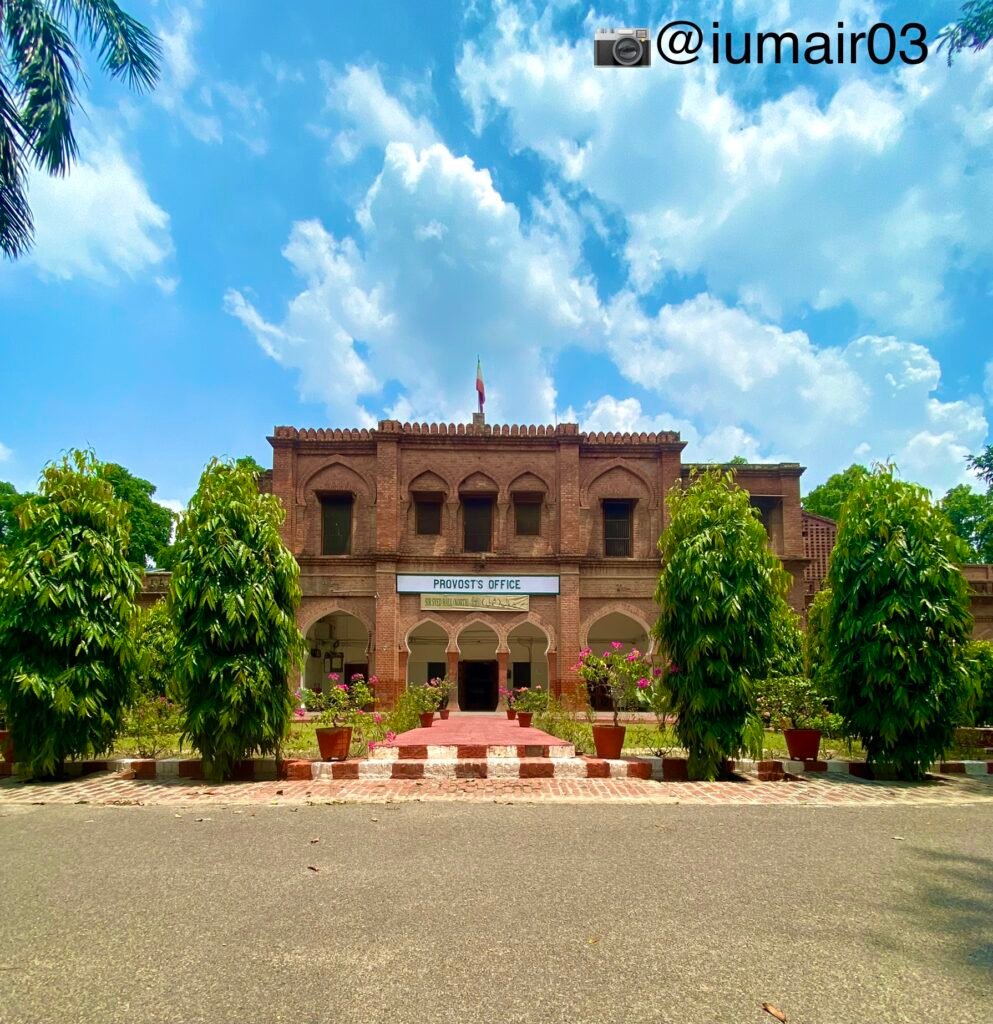
The University Proctor and associates are responsible for discipline and security on campus. Inside the halls, the Provost and wardens keep order. An offer of admission is provisional and subject to clearance from the Proctor’s office.
Ragging is banned
Ragging is a punishable offence under the AMU Students’ Conduct and Discipline Rules, 1985. Every student and a parent or guardian must sign an undertaking that the student will not take part in ragging. New students who face any form of ragging should report it to the Provost, the wardens or the Proctor’s office.
Medical fitness and employment
The university can ask any student to undergo a medical examination. Full-time students are not allowed to take up paid or unpaid employment, or have a business link with the university, without permission.
Daily life in a hall
Halls run their own dining halls. The DSW office tries to keep dining costs and standards similar across halls and chairs the university’s Canteen Committee. Meal timings and mess charges are set by each hall, so new residents should check with their hall office in the first week.
Halls are also centres of sport, culture and tradition. Viqarul Mulk Hall’s record for 2025 gives a typical picture: an orientation programme for new students guided by seniors and wardens, a hall literary and cultural festival, an inter-hall hockey final, a clean campus drive, an annual hall function with a dinner for alumni and guests, and a Sir Syed Day programme on 17 October.
Inter-hall tournaments, such as the hockey championship, and hall literary and cultural festivals are fixed points in the calendar. Prize distribution functions at the end of the year honour residents for sport, co-curricular work and academics.
Why it matters: hall events are where most new students first meet seniors, wardens and visiting alumni.
Health and support
The DSW office monitors the University Health Service and indoor treatment of students in consultation with the Chief Medical Officer and the Provost concerned. The Coaching and Guidance Cell has held workshops in halls on time management and exam stress. Character certificates for students are issued by the DSW after reports from the Provost, the Dean and the Proctor, so a clean record in the hall matters later.
Practical tips for new residents
- Keep copies of your admission slip, fee receipt and hall allotment letter. You will need them for hostel entry.
- Report to your hall office early and meet the warden of your hostel.
- Read the hall notice board daily for mess, room and event notices.
- Carry your university identity card on campus.
- Join at least one hall activity in the first semester. It is the quickest way to know seniors.
For more on campus life, read our Students’ Corner guides, and for Aligarh city tips see the Aligarh section.
Frequently asked questions
How many halls are there in AMU?
AMU has 19 halls of residence, 13 for men and 6 for women, listed in the Guide to Admissions 2026-27. Each hall is a group of hostels.
Is hostel guaranteed at AMU after admission?
No. Every student is attached to a hall or non-resident unit, but a hostel room depends on availability of seats and university policy.
What is NRSC in AMU?
The Non-Resident Students Centre is the unit for male students who do not live in hostels. Non-resident women are attached to a women’s hall.
Who allots halls in AMU?
Halls are allotted at admission. The Dean Students’ Welfare office coordinates allotment and hall transfers along with the hall Provosts.
Sources: AMU Guide to Admissions 2026-27; AMU Dean Students’ Welfare, Responsibilities; Viqarul Mulk Hall, Events.