

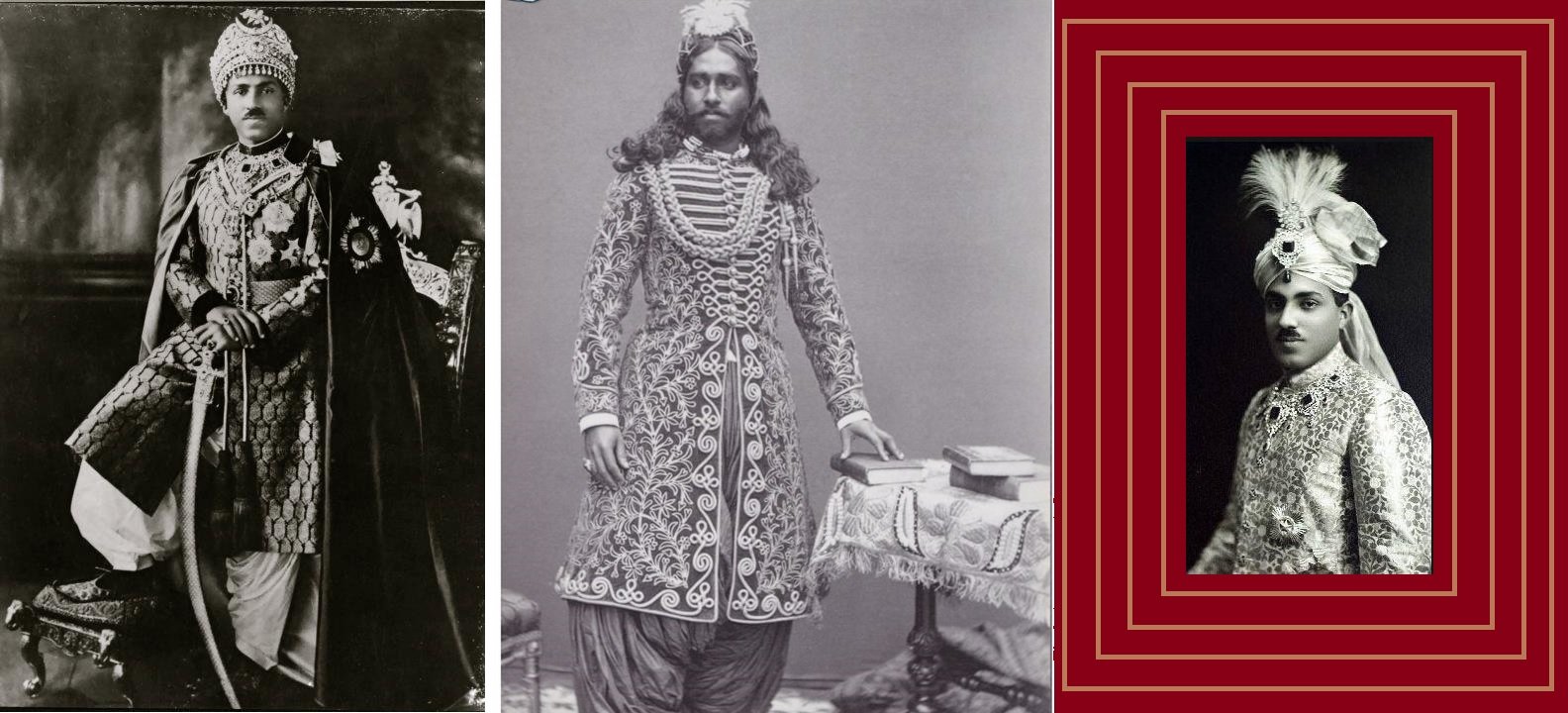
The black sherwani is AMU’s traditional formal dress. Worn with a white, close-fitting Aligarh-cut churidar, it has long served as a kind of uniform for convocations, hall functions and Sir Syed Day. Together with hostel customs of courtesy, known as adab and tehzeeb, it forms what Aligs call Aligarh culture.
Not every student wears a sherwani today, and many of these customs have changed over the decades. But the dress and the manners linked to it still appear at every major event on campus and at Alig gatherings abroad.
The black sherwani
A sherwani is a long coat, buttoned to the neck, that falls to the knees or just below. At Aligarh the formal version is black, and it is worn over a white pyjama.
 Also readFilms Shot at AMU and Set in Aligarh: The Verified List
In his history of the university, journalist Mohammed Wajihuddin describes the sherwani and the Aligarh-cut white churidar as a sort of uniform for formal occasions on campus. He also notes that men in sherwanis remain a common sight on the road from Bab-e-Syed to the Centenary Gate.
Why it matters: The sherwani is the one item of dress that links students on campus today with photographs of Aligs from a century ago.
The Aligarh-cut pyjama
The pyjama worn with the sherwani is known as the Aligarh cut. It is fitted at the leg in the style of a churidar, which suits the long line of the sherwani.
The cut was once standard dress for men across the campus. A book extract published by National Herald in 2022, citing M. Hashim Kidwai, says the Aligarh-cut pyjama and sherwani began fading from everyday use in the late 1950s. Today they are worn mostly on formal occasions.
What the halls ask of residents
AMU’s residential halls have their own rules on dress and conduct. In September 2018, one hall issued an advisory to new residents that was widely reported in the national press.
It asked residents to wear a black sherwani or kurta-pyjama on all important occasions and university functions. It also said residents should not step out of their rooms in shorts or slippers, and that the same applied in the dining hall, common room and reading room.
The provost told reporters at the time that freshers who were unaware of these customs would miss a chance to pick up good habits.
Adab and tehzeeb in hostel life
Adab means courtesy and tehzeeb means refinement or culture. At AMU these words describe a set of everyday manners that seniors pass on to juniors. The 2018 advisory listed several of them as the hall’s basic traditions.
- Dining hall staff are addressed as miyan or bhai.
- Hall-mates call each other partner.
- When a senior eats out with a junior, the senior pays.
- Friends who come to see you off are given a see-off tea.
- You knock and wait for a reply before entering a room.
- Food brought from home is shared with others in the hall.
These customs are passed on informally, with seniors explaining them to each new batch of freshers.
Aligs and the name they carry
AMU graduates are called Aligs, and many add Alig after their names. Wajihuddin compares this with the way graduates of Deoband and Nadwatul Ulema carry the titles Qasmi and Nadwi.
The title is used most at alumni events, where the sherwani, the Tarana and Urdu poetry come together. Read more on campus customs in our Infotainment section.
Sir Syed Day and its dinners
Sir Syed Ahmad Khan was born on 17 October 1817, and the date is observed every year as Sir Syed Day. On campus, the day includes official functions, and alumni groups around the world hold their own events, often on the nearest weekend.
The format is broadly the same everywhere. A report in Greater Kashmir in October 2025 described an alumni event with a mushaira, a documentary on Sir Syed, talks by AMU students, the singing of the Tarana and then a traditional Aligarh dinner.
In November 2024, the AMU alumni association of Northern California held a sold-out Sir Syed Day evening in Milpitas, according to The Friday Times. It began with dinner, included a fundraising update for an education endowment, the Tarana and an Urdu mushaira.
Gulf News reported in 2018 that around 5,000 AMU alumni live in the UAE and over 20,000 across the Gulf countries. The report covered two separate Sir Syed Day events planned in Dubai and Sharjah that year.
AMU dress and customs at a glance
| Custom | What it involves | When you see it |
|---|---|---|
| Black sherwani | Long black coat buttoned to the neck | Convocations, hall functions, Sir Syed Day |
| Aligarh-cut pyjama | White, fitted churidar-style pyjama | Worn with the sherwani |
| Partner | How hall-mates address each other | Daily hostel life |
| See-off tea | Tea for friends who come to see you off | When leaving for home or after graduation |
| Sir Syed Day | Functions, mushaira, Tarana, dinner | 17 October and nearby weekends |
Changing times
Like any campus, AMU has changed with its students. As the National Herald extract notes, the sherwani and Aligarh-cut pyjama moved from daily wear to formal wear over the decades.
The 2018 advisory also drew debate, and some news outlets reported objections to dress rules in hostels. For the latest campus news, follow AMU Updates, and for the history behind these customs see History.
Frequently asked questions
Why do AMU students wear black sherwanis?
The black sherwani with a white Aligarh-cut pyjama has been AMU’s formal dress for generations. Halls ask residents to wear it, or a kurta-pyjama, at important university functions.
What is an Aligarh cut pyjama?
A white, fitted pyjama in the churidar style, traditionally worn with the sherwani at AMU.
Is the sherwani compulsory at AMU?
It is not required for classes. Halls expect a black sherwani or kurta-pyjama at important functions, and it is customary at convocation and Sir Syed Day.
How is Sir Syed Day celebrated?
With functions on campus and alumni events worldwide that usually include a mushaira, the Tarana and a traditional Aligarh dinner.
Sources: Deccan Herald, September 2018; Scroll.in book extract, 2021; Greater Kashmir, October 2025; Gulf News, 2018.