
The first weeks at AMU go smoothly if you know a few things early: your hall and Provost, the Maulana Azad Library, Kennedy Hall and its Cultural Education Centre clubs, the Dean Students’ Welfare office, and the calendar around Sir Syed Day on 17 October. Keep your documents in order, join one club, and read notice boards daily.
First week checklist
- Keep copies of your admission letter, fee receipt, hall allotment and photographs in one folder.
- Report to your hall office and meet the Provost’s office staff and your hostel warden.
- Find your department, faculty office and the notice boards where timetables appear.
- Get your library membership at the Maulana Azad Library.
- Note the locations of the Proctor’s office, the DSW office and the University Health Service.
- Save the official websites: amu.ac.in for notices and amucontrollerexams.com for exams and results.
An admission at AMU is provisional until clearance from the Proctor’s office, so complete every verification step you are told about.
Places to know on campus
1. Maulana Azad Library
The central library began in 1877 as the Lytton Library, named after Viceroy Lord Lytton. Its seven-storey building, opened by Jawaharlal Nehru in 1960, has several reading halls that together seat about 2,000 readers. It holds over a million books and more than 15,000 manuscripts, and more than 100 departmental and college libraries are linked to it.
 Also readAMU | Previous Years Question Paper PDF | Last 10 Years Question Paper | Tips for Entrance
Why it matters: the reading halls are the main place to study before exams, and the collection covers almost every subject taught at AMU.
2. Kennedy Hall and the Cultural Education Centre
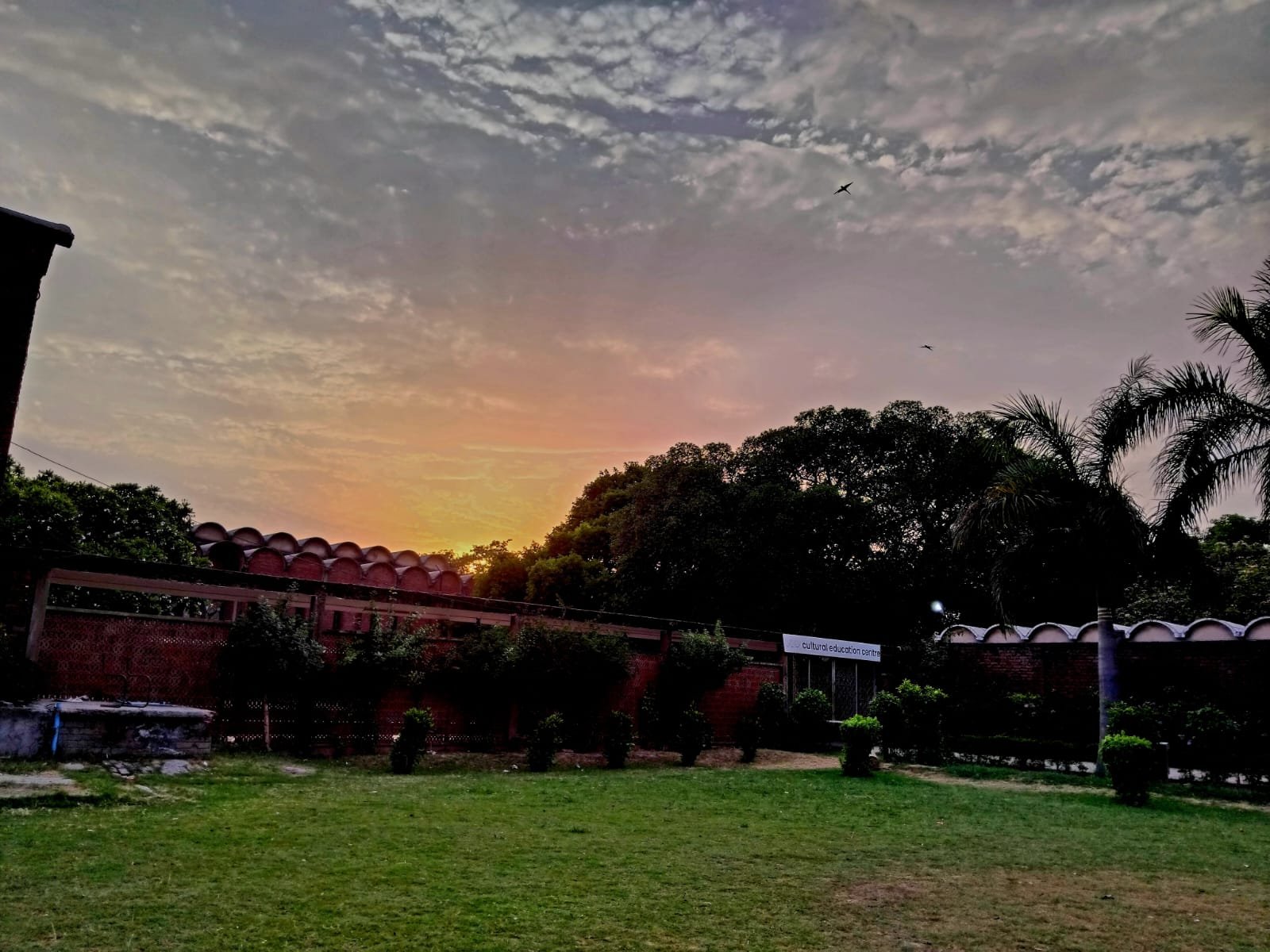
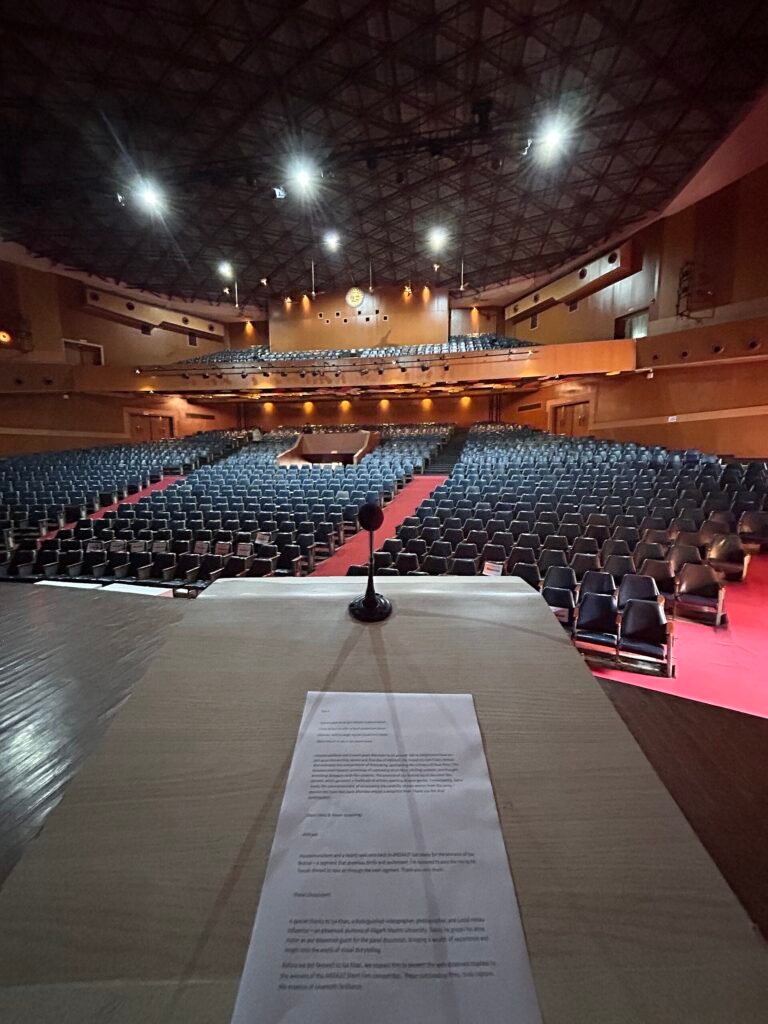
Kennedy Hall was built between 1959 and 1962 and houses the Cultural Education Centre (CEC), which has been the hub of student cultural activity since the early 1950s, according to AMU. The Kennedy Auditorium in the same complex is the venue for many CEC and university events.
Best for: anyone interested in drama, music, film, fine arts or debating.
3. Sir Syed Hall and Strachey Hall
Sir Syed Hall is the oldest hall of residence, and the heritage Strachey Hall stands within it. The old buildings around it form the historic core of the campus. Our History section has more on these buildings.
4. Centre of Advanced Study departments
Several AMU departments have been recognised by the UGC as Centres of Advanced Study, a status given for research work. The Department of History, home to the CAS in History, is the best known among them.
5. Victoria Gate and the University Mosque
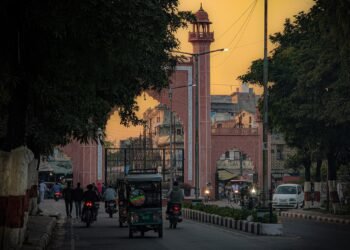
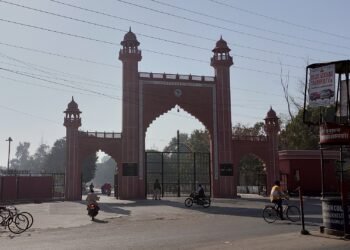
Victoria Gate, with its clock tower, and the University Mosque near Sir Syed’s grave are two of the most recognisable landmarks. Both are within walking distance of the old halls and are usually the first places families visit.
6. Dining halls and canteens
Every hall has its own dining hall, and the DSW office chairs a Canteen Committee that oversees canteens on campus. Students also eat at the small dhabas and eateries around the campus roads. Ask seniors in your hall for the places they trust, and check hygiene before you become a regular.
Clubs and societies to join
AMU has some of the oldest student societies in India. The Siddons Union Club, the debating society, was set up in 1884 and is named after the college’s first principal, H.G.I. Siddons. The Law Society dates from 1894, and the Raleigh Literary Society holds literary events and plays.
The CEC runs clubs for drama, film, fine arts, Hindustani music, Western music, fusion music, debating and literature, eco activities and hobbies. Its annual events have included the Filmsaaz film festival, a literary festival and the Art Niche arts festival.
Sport has its own structure, with university teams, the Muslim University Riding Club and inter-hall tournaments. The National Service Scheme and the Coaching and Guidance Centre are useful for service work and career preparation. The Aligarh Muslim University Students’ Union (AMUSU) is the elected student body.
Sir Syed Day
Sir Syed Day is marked every year on 17 October, the birth anniversary of Sir Syed Ahmad Khan, who was born in 1817 and founded the MAO College. On campus, the day usually includes a ceremony at the university, programmes in each hall, and a dinner. Alumni associations in India and abroad hold their own Sir Syed Day events.
For new students, the hall programme is the easiest way to take part. Hall functions in 2025, for instance, included speeches, recitation and a dinner for residents and guests.
Study habits that help
- Note the attendance rules of your course from your faculty and do not let absences pile up.
- Collect previous question papers from the library or seniors and learn the exam pattern early.
- Use the department and faculty notice boards. Many internal test dates appear there first.
- Attend department seminars and extension lectures when they are announced. They help with projects and viva preparation.
Safety, health and conduct
Ragging is banned at AMU and is a punishable offence under the Students’ Conduct and Discipline Rules, 1985. If anything goes wrong, contact your warden, Provost or the Proctor’s office. The University Health Service is the first stop for illness, and the DSW office is responsible for coordinating student welfare. Full-time students need permission before taking up any job.
Getting around Aligarh
The campus is about 2 km from Aligarh railway station and about 130 km southeast of Delhi on the Grand Trunk Road. E-rickshaws and auto-rickshaws connect the campus with the station and the city markets. Our Aligarh section covers the city, and the Students’ Corner has more guides on admissions and hostels.
Frequently asked questions
When is Sir Syed Day celebrated at AMU?
Sir Syed Day is celebrated on 17 October each year, the birth anniversary of Sir Syed Ahmad Khan, founder of the MAO College.
What are the famous clubs at AMU?
Well-known societies include the Siddons Union Club for debating, set up in 1884, the Law Society, the Raleigh Literary Society, and the drama, music, film and fine arts clubs of the Cultural Education Centre.
What are the timings of Maulana Azad Library?
The library’s reading rooms are known for long opening hours, but timings can change. Check the current schedule at the library or on amu.ac.in.
Where is the Cultural Education Centre at AMU?
The Cultural Education Centre is in Kennedy Hall, built between 1959 and 1962, which also has the Kennedy Auditorium.
Sources: AMU Cultural Education Centre; Maulana Azad Library (Wikipedia); Viqarul Mulk Hall, Events; Aligarh Muslim University (Wikipedia).