
Ask any Alig what makes Aligarh Muslim University different, and the answer is rarely about buildings or rankings. It is about a way of living on campus: the black sherwani, the salam to a senior, the Tarana at every function and the habit of calling a hostel a “Hall”. With AMU Students’ Union (AMUSU) elections back after eight years, many of these customs are being talked about again. Here are 12 traditions that students, alumni and old Aligs often describe as the real AMU.
The list below is based on “AMU Ki Asli Riwayat”, a poster on campus traditions shared by the Old Boys of AMU.
12 AMU traditions at a glance
| No. | Tradition | What it means |
|---|---|---|
| 1 | Adab-e-Salam | Greeting seniors and respecting elders |
| 2 | Sherwani culture | Black sherwani, white pyjama and a cap for formal occasions |
| 3 | Tilawat-e-Quran | Functions begin with a recitation from the Quran |
| 4 | The Tarana | “Yeh Mera Chaman” is sung at university programmes |
| 5 | Sir Syed Day | 17 October, the founder’s birth anniversary |
| 6 | Hall culture | A hostel is always called a Hall |
| 7 | Dining hall etiquette | Staff are addressed as Miyan or Bhai |
| 8 | Knock culture | Ask permission before entering a room |
| 9 | Evenings at the Jama Masjid | Sitting on the mosque steps after sunset |
| 10 | Respect for women | Courtesy towards women on campus |
| 11 | Mushairas and debates | Poetry and debate at the Union and Kennedy Auditorium |
| 12 | Alig identity | “Ek baar Alig, hamesha Alig” |
1. Adab-e-Salam: respect for seniors
At AMU, juniors greet seniors with a salam, and the senior-junior bond is treated as a relationship, not a hierarchy to be misused. Respect for elders, teachers and staff is the first thing freshers are taught in the Halls.
 Also readAMUSU Election 2026: Abdul Waheed’s Manifesto for President, 10 Commitments
2. Sherwani culture
The black sherwani with a white pyjama and a cap is AMU’s formal dress, worn at convocations, Sir Syed Day, union events and other formal occasions. Older Aligs also speak of an unwritten dress code for the dining hall and public places, where kurta pyjama, slippers, round-neck T-shirts, track lowers, shawls and mufflers were not considered proper wear. During union elections, candidates traditionally campaign in sherwanis.
3. Tilawat-e-Quran at functions
University and Hall functions traditionally begin with a recitation from the Quran, before the programme formally starts.
4. The AMU Tarana
“Yeh Mera Chaman”, written by the poet Asrar ul Haq Majaz, who studied at AMU, is the university’s Tarana. It is sung at the end of university programmes, and most Aligs know it by heart.
5. Sir Syed Day
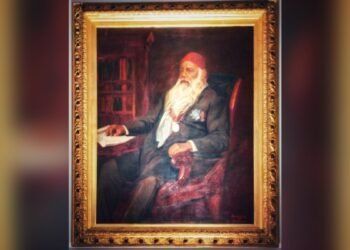
17 October, the birth anniversary of AMU’s founder Sir Syed Ahmad Khan, is the biggest day in the AMU calendar. It is marked on campus with lectures and a commemorative programme, and Aligs around the world hold Sir Syed Day dinners.
6. Hall culture
At AMU, nobody lives in a “hostel”. Students belong to a Hall, such as Sir Syed Hall, Aftab Hall or Mohammad Habib Hall, and Hall loyalty often lasts a lifetime. Each Hall has its own history, events and traditions.
7. Dining hall etiquette
Dining hall staff are addressed respectfully as “Miyan” or “Bhai”. Sitting together for meals in the Hall dining room is part of AMU’s residential life.
8. Knock culture
Students knock and ask for permission before entering anyone’s room, including a friend’s. It is a small habit that older Aligs often mention when they describe Hall manners.
9. Evenings at the Jama Masjid
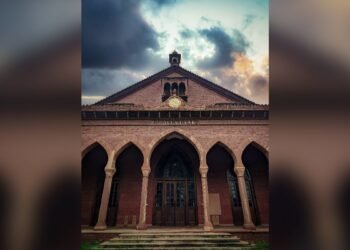
Sitting on the steps of the university’s Jama Masjid in the evening, chatting with friends, is a memory many Aligs carry long after they leave.
10. Respect for women
Courtesy towards women students, teachers and staff is counted among AMU’s core values. The university has a long history in women’s education, from the girls’ school set up in 1906 that grew into the Women’s College.
11. Mushairas and debates
Poetry and argument are part of campus life. The Students’ Union and venues such as Kennedy Auditorium host mushairas and debates, and the union’s debating tradition has produced generations of public speakers.
12. Alig identity
“Ek baar Alig, hamesha Alig” (once an Alig, always an Alig) sums up the bond between AMU and its alumni. Aligs across India and abroad stay connected through old boys’ associations, Sir Syed Day events and Hall reunions.
Why these traditions matter in the 2026 AMUSU election
AMUSU polls are being held on 5 November 2026 after a gap of eight years, so most students on campus have never seen a union election. Alumni have urged candidates to keep election customs alive, such as campaigning in sherwanis, visiting Halls and stopping the campaign after the final speeches. Read the alumni appeal on AMUSU traditions, and follow the election on our AMUSU 2026-27 page.
For more on the people and places behind these customs, see the list of AMUSU presidents since 1884 and the AMU halls of residence.
Credit: The 12 traditions in this article are drawn from the “AMU Ki Asli Riwayat” poster by the Old Boys of AMU.
Frequently asked questions
What is the dress code tradition at AMU?
The black sherwani with a white pyjama and a cap is AMU’s traditional formal dress, worn at convocations, Sir Syed Day and other formal events.
Who wrote the AMU Tarana?
The AMU Tarana, “Yeh Mera Chaman”, was written by the poet Asrar ul Haq Majaz, a former student of AMU.
Why is Sir Syed Day celebrated on 17 October?
17 October is the birth anniversary of Sir Syed Ahmad Khan, who founded the institution that became Aligarh Muslim University.
Why are hostels called Halls at AMU?
AMU follows a residential Hall system, in which each Hall is a community with its own history and events, so students say Hall rather than hostel.
What does “Ek baar Alig, hamesha Alig” mean?
It means “once an Alig, always an Alig”, and describes the lifelong bond between AMU and its students and alumni.